June 2, 2026
Kitchen remodeling can completely transform the feel, function, and value of a home. A well-designed kitchen creates a welcoming environment for cooking, entertaining, and daily living while improving overall comfort and efficiency. However, remodeling projects often involve many moving parts, and overlooking important details can lead to frustration, delays, and costly corrections.
Homeowners sometimes focus only on the visual side of a renovation while forgetting about functionality, storage, workflow, and long-term durability. Others rush the planning process or choose materials based solely on appearance instead of performance. Avoiding common mistakes helps create a smoother experience and results in a kitchen that supports both style and practicality.
Professional guidance plays an important role throughout the process. Experienced designers and contractors can help homeowners avoid issues that may negatively impact the outcome. According to This Old House, a minor kitchen remodeling project can recover as much as 96.1% of its cost through increased home value, making careful planning even more important.
Ignoring Kitchen Functionality
One of the biggest mistakes homeowners make during remodeling is prioritizing appearance over functionality. While visual appeal matters, the kitchen must also support daily routines comfortably and efficiently. A beautiful space can quickly become frustrating if the layout does not work well for cooking, cleaning, or storage needs.
Functionality begins with understanding how the kitchen is used. Some households prioritize entertaining, while others need efficient meal preparation areas or family-friendly seating arrangements. Ignoring these habits can result in awkward layouts that create unnecessary stress during daily activities.
Traffic flow also deserves careful attention. Poor placement of appliances, islands, or cabinetry may create congestion and make movement difficult. Limited counter space near cooking or cleaning zones can reduce convenience and efficiency. Functional kitchens balance beauty with thoughtful organization and accessibility.
Storage planning is another essential factor. Cabinets that look attractive but fail to provide adequate organization often lead to clutter and frustration. Deep drawers, pantry solutions, hidden storage areas, and customized cabinetry can improve usability while maintaining a clean appearance.
Overlooking Proper Lighting
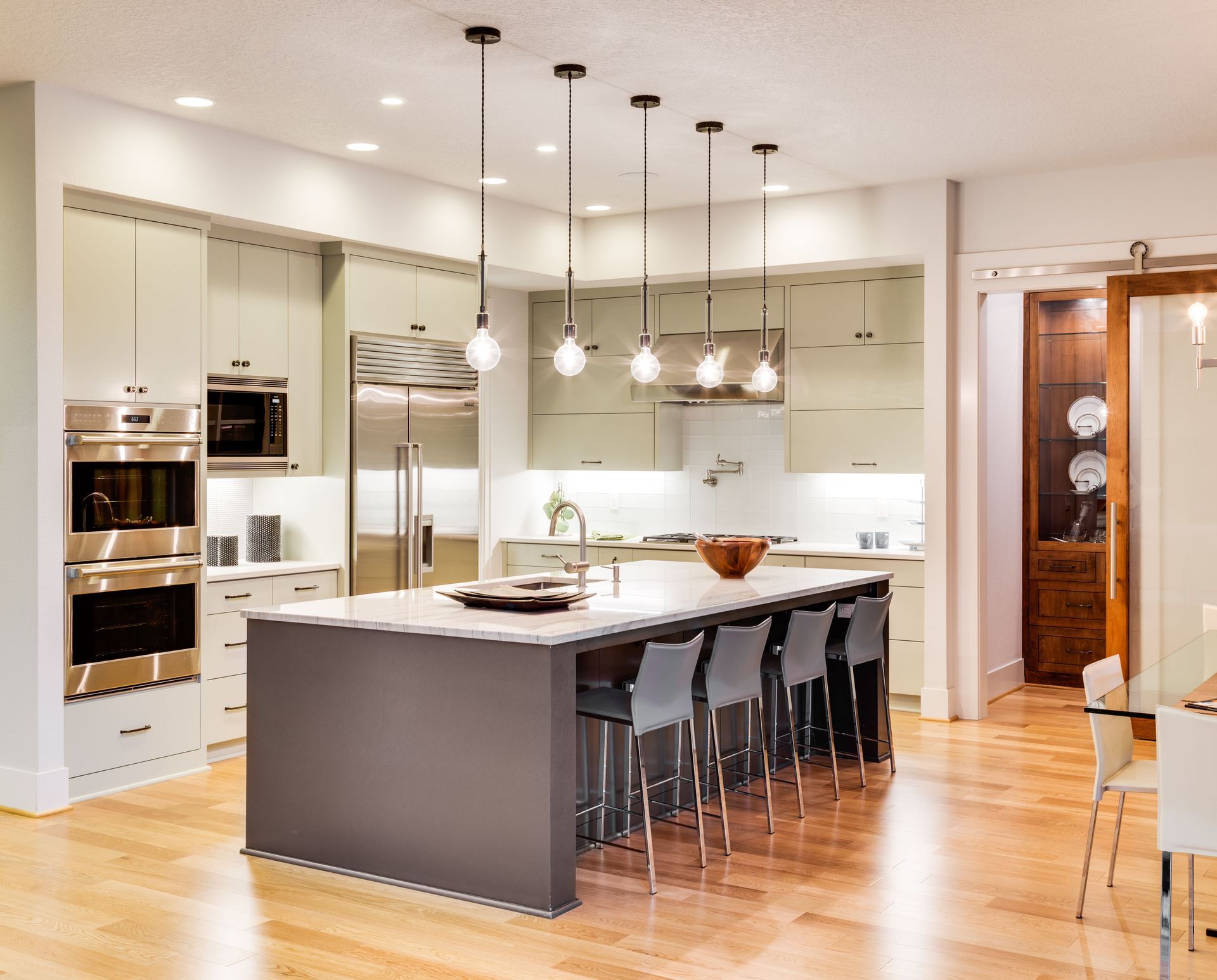
Lighting has a major influence on the atmosphere and usability of a kitchen, yet it is often underestimated during kitchen remodeling projects. Insufficient or poorly placed lighting can make even the most expensive renovation feel incomplete.
Many homeowners rely too heavily on a single overhead fixture without considering how different lighting types work together. Kitchens require layered lighting to support various tasks and create a comfortable environment. Without proper illumination, food preparation becomes more difficult, and the space may appear dull or uneven.
Task lighting is especially important near countertops, sinks, and cooking areas. Shadows caused by overhead fixtures alone can reduce visibility and make the kitchen less functional. Accent lighting can also enhance visual appeal by highlighting cabinetry, backsplashes, or architectural features.
Natural light should not be ignored either. Window placement, reflective surfaces, and open layouts can help maximize brightness and create a more welcoming atmosphere. Dark kitchens may feel smaller and less inviting, even when the design itself is attractive.
Lighting choices should also align with the overall design style of the home. Fixtures that clash with cabinetry, flooring, or finishes can disrupt the visual harmony of the space. Professional designers can help coordinate lighting solutions that support both aesthetics and practicality.
Choosing Trendy Over Timeless
Trends can inspire fresh ideas during kitchen remodeling, but relying too heavily on short-lived styles may lead to disappointment later. Many homeowners become drawn to popular colors, finishes, or layouts without considering how quickly trends can change.
Highly specific design choices may lose appeal over time, causing the kitchen to feel outdated sooner than expected. This can reduce long-term satisfaction and potentially affect resale appeal. Kitchens represent a significant investment, so it is important to create a design that remains attractive and functional for many years.
Timeless elements often provide greater flexibility. Neutral cabinetry, durable materials, and classic finishes create a balanced foundation that can adapt to changing preferences more easily. Decorative accents and accessories can introduce personality without dominating the entire design.
Another issue occurs when homeowners select trendy features that sacrifice practicality. Certain materials or layouts may look appealing in photos but require excessive maintenance or fail to support everyday use. A kitchen should support real-life routines rather than function only as a showcase.
Neglecting Storage Solutions
Insufficient storage is a common source of frustration after kitchen remodeling projects are completed. Homeowners sometimes focus heavily on aesthetics while underestimating the importance of organization and accessibility.
A lack of storage can quickly lead to crowded countertops, disorganized cabinets, and difficulty maintaining a clean environment. Kitchens support many activities, from cooking and dining to entertaining and family gatherings. Without adequate storage, even large kitchens may feel cluttered and inefficient.
Cabinet configuration matters just as much as cabinet quantity. Traditional shelving may not always provide the best use of space. Pull-out drawers, hidden compartments, pantry systems, and corner storage solutions can significantly improve organization and accessibility.
Another common mistake involves failing to account for future needs. Families may grow, cooking habits may change, or appliances may expand over time. Planning flexible storage solutions allows the kitchen to remain functional as household needs evolve.
Appliance storage is another important consideration. Small appliances left permanently on countertops can reduce workspace and create visual clutter. Dedicated storage areas help maintain a cleaner and more organized appearance.
Rushing Material Selections
Material selection plays a critical role in the success of kitchen remodeling projects. Some homeowners make rushed decisions based only on appearance, promotions, or immediate availability without fully understanding how materials will perform over time.
Kitchens experience frequent exposure to moisture, heat, spills, and heavy use. Materials that appear attractive initially may not provide the durability needed for long-term performance. Choosing surfaces without considering maintenance requirements can also lead to frustration later.
Countertops, flooring, cabinetry, and backsplashes should complement both the design style and the household’s lifestyle. Busy households may benefit from durable, low-maintenance materials that resist wear and stains. Others may prioritize luxury finishes with unique visual appeal.
Color coordination is equally important. Materials should work together cohesively to create a balanced and welcoming environment. Poorly matched finishes can make the kitchen feel visually chaotic rather than polished and intentional.
Another mistake involves selecting materials separately instead of evaluating how they interact as a whole. Lighting, wall colors, cabinetry, and flooring all influence how materials appear in the final space. Viewing samples under realistic conditions helps prevent costly surprises.
Hiring Inexperienced Contractors
The quality of workmanship can greatly influence the outcome of a kitchen remodeling project. Hiring inexperienced or unqualified contractors may result in delays, poor craftsmanship, communication problems, and costly repairs.
Some homeowners focus primarily on finding the lowest price without evaluating experience, credentials, or reputation. While budget considerations matter, choosing contractors based solely on cost can create significant problems later. Poor installation may affect cabinetry alignment, flooring performance, plumbing systems, or electrical safety.
Communication is another important factor. Misunderstandings about timelines, materials, or expectations can create unnecessary stress during the remodeling process. Reliable professionals maintain clear communication and provide transparency throughout the project.
Licensing, insurance, and references should also be carefully reviewed before making hiring decisions. Experienced contractors understand building requirements, safety standards, and proper installation methods that help protect both the home and the investment.
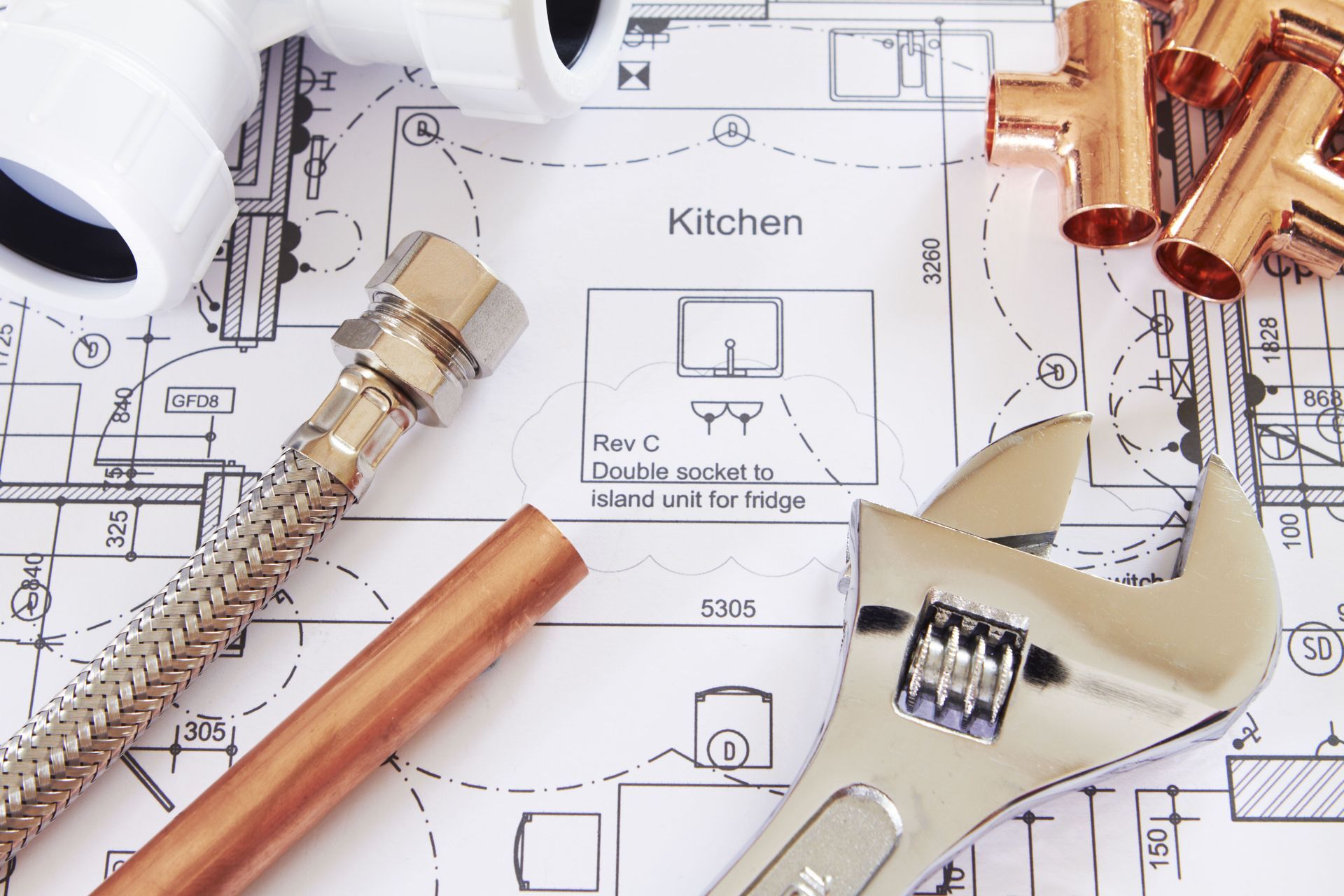
Kitchen remodeling involves coordination between multiple trades, including plumbing, electrical, cabinetry, and design specialists. Skilled professionals help manage these details efficiently while minimizing disruptions to daily life.
Working with a trusted remodeling team allows homeowners to feel more confident throughout the process while reducing the likelihood of mistakes that may compromise the final result.
Avoiding common mistakes such as neglecting functionality, rushing material choices, ignoring storage needs, or hiring inexperienced contractors helps create a smoother remodeling experience. A balanced approach that combines practicality, durability, and timeless design often produces the best long-term outcome.
Professional guidance can make a meaningful difference throughout every stage of the project. Careful planning and expert craftsmanship help homeowners create kitchens that feel welcoming, efficient, and visually cohesive while supporting daily life for years to come.
If you are planning a kitchen remodeling project, EvolveD Interiors Design and Build is here to help us create a beautiful and functional space tailored to your lifestyle, design preferences, and long-term goals.