June 22, 2026
The decision to remodel a kitchen can be both exciting and rewarding. Among the many choices to be made, selecting the right countertops stands out as a crucial component that significantly influences the overall outcome and appeal of the project. Countertops are not just functional elements; they can serve as the centerpiece of kitchen design, reflecting personal style while providing lasting value and resilience. Homeowners often turn to kitchen designers for guidance because countertop decisions affect layout, color balance, maintenance, and everyday use. By assessing factors such as material selection, durability, cost, and ecological impact, one can shape a kitchen space that is both beautiful and sustainable. Therefore, it’s essential to consider how various countertop choices affect the ultimate results of a kitchen renovation.
The Impact of Countertop Material on Design Aesthetics
Exploring Popular Countertop Materials
In kitchen design, the choice of countertop material is central to visual aesthetics. Popular materials include granite, quartz, marble, and laminate, each offering distinct advantages. Granite, for instance, provides a natural beauty with an array of colors and patterns that convey luxury. Quartz is cherished for both its beauty and durability, being resistant to stains and scratches. On the other hand, marble exudes a timeless elegance but requires more maintenance, while laminate offers a budget-friendly option with vast design possibilities. Experienced kitchen designers can help homeowners compare these options based on style goals, cooking habits, and long-term upkeep expectations.
Color and Texture: Creating Visual Harmony
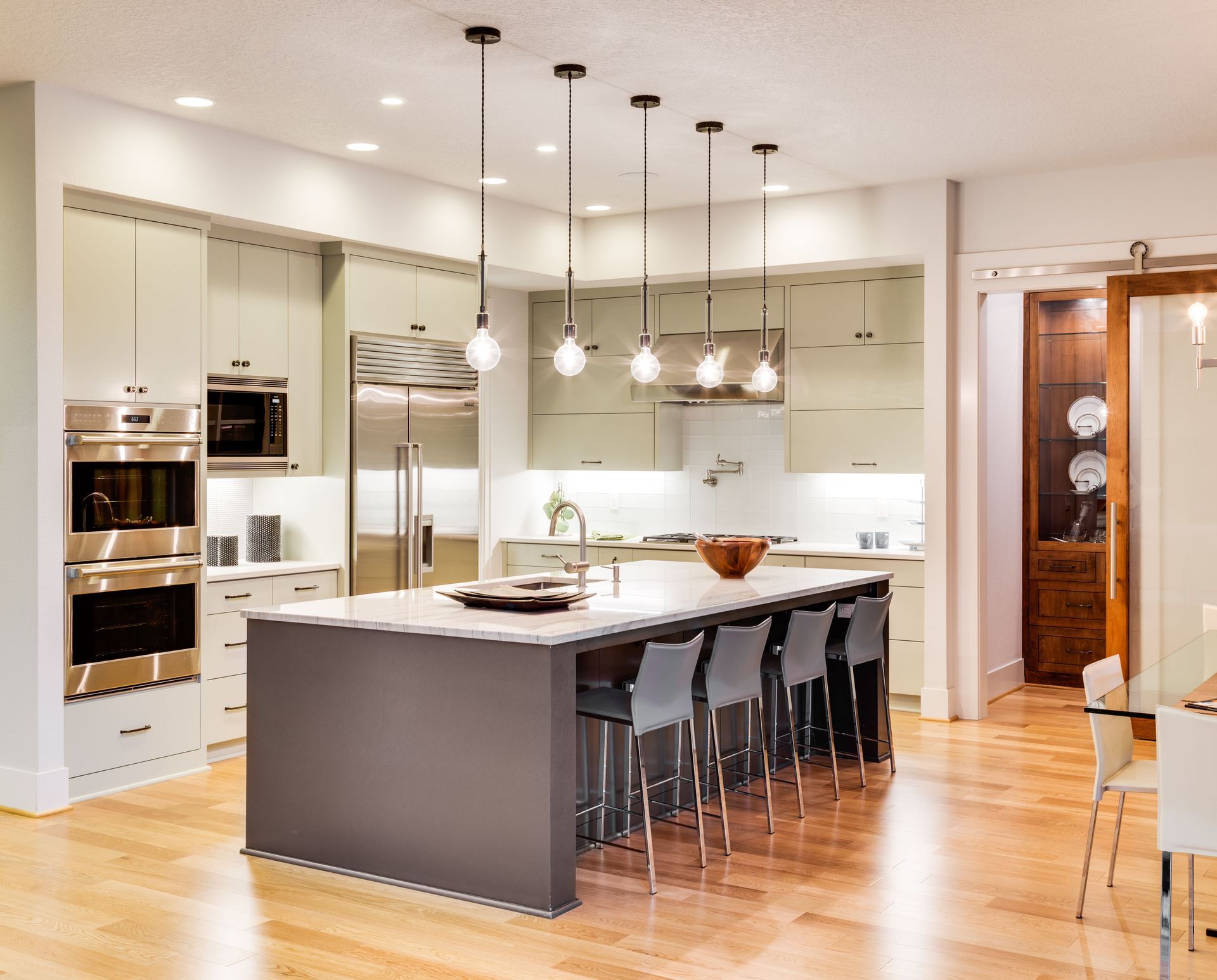
The color and texture of countertops contribute significantly to a kitchen's cohesive aesthetic appeal. By choosing a color palette that matches other kitchen elements, such as cabinetry and appliances, homeowners can create a harmonious environment. Textured finishes, like honed or leather finishes, add depth and interest, transforming countertops into focal points. Additionally, lighter colored countertops can make a space feel open and bright, while darker shades offer warmth and richness. Carefully balancing these elements supports a visually pleasing kitchen that aligns with personal tastes.
Pairing With Cabinetry and Flooring
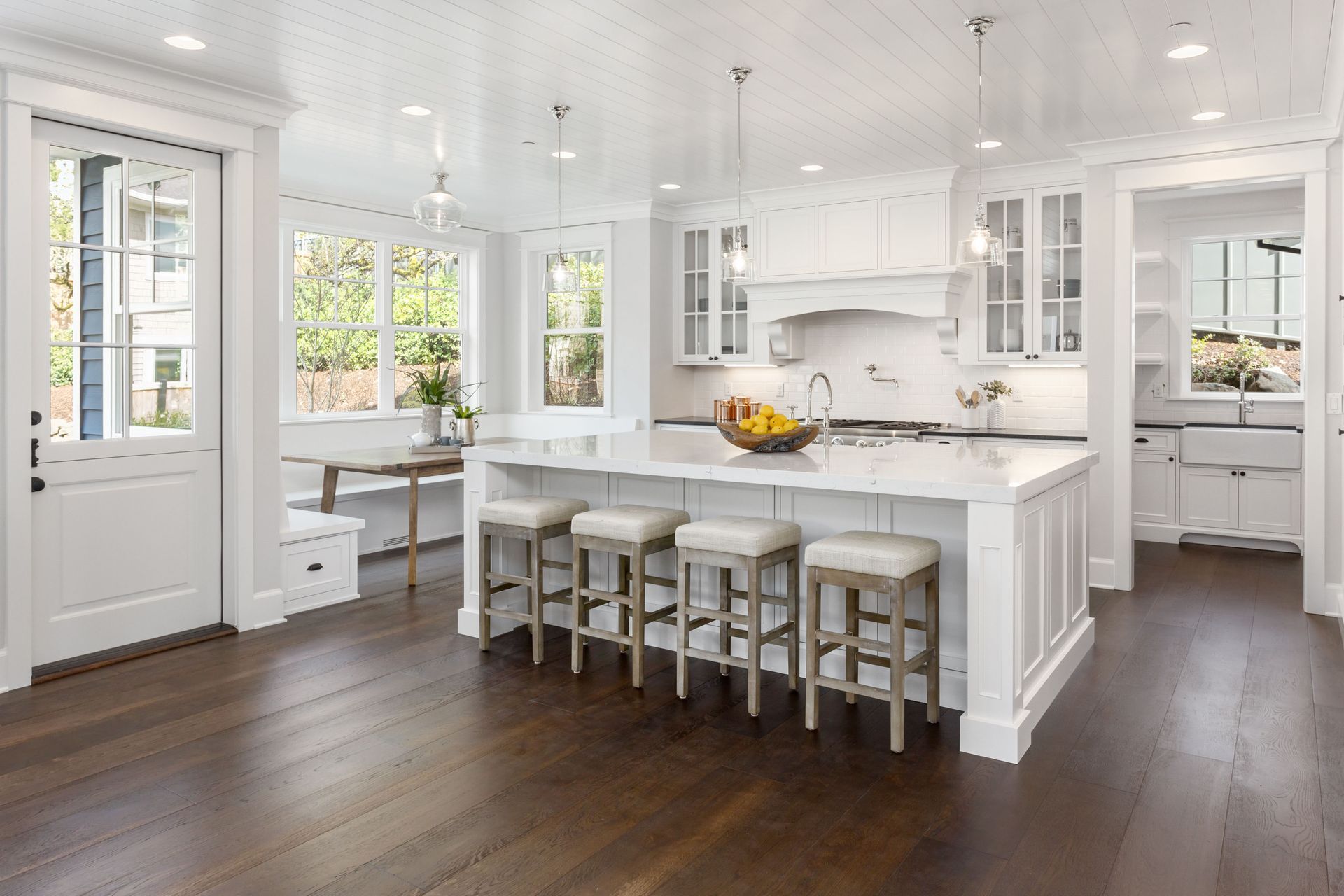
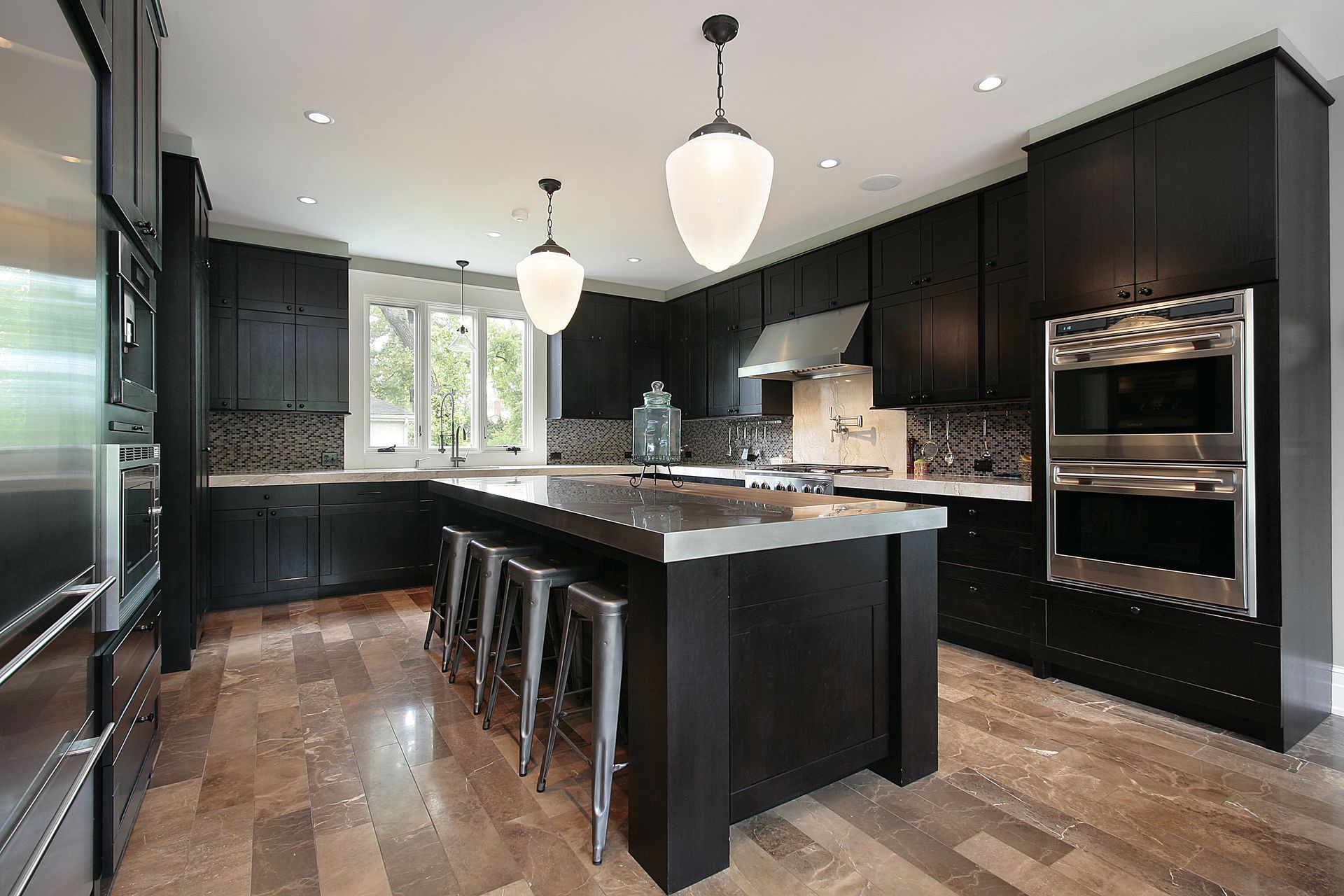
Pairing countertops with cabinetry and flooring is an art that requires careful consideration to achieve a unified kitchen design. Coordinating colors and styles across these three components can transform a disjointed space into a seamless masterpiece. Contrast, such as dark countertops with light cabinets, can add dimension and interest. Consistency in texture and material selection across surfaces harmonizes the look. Moreover, selecting complementary patterns, such as similar veining in wood and marble, brings an integrative feel to the kitchen. Kitchen designers often use samples, mood boards, and finish comparisons to help homeowners see how each material will look in the completed space.
Customization and Unique Designs
Customization is key for those seeking a unique kitchen design that stands apart from standardized trends. Homeowners have the option to select bespoke materials and designs that reflect their personal style and meet specific functional needs. Unique edge profiles and integrated sink designs offer individuality and practical advantages. Additionally, custom inlays or artistic features can provide a conversation piece, adding personality to the kitchen. This personalization through countertop choices creates a kitchen that is uniquely tailored, both visually and functionally.
Trends in Modern Kitchen Countertops
Modern kitchen countertops have evolved with a focus on both aesthetics and function, resulting in a variety of trending options. Natural stone remains popular due to its timeless appeal, while engineered materials like quartz offer an array of contemporary color choices. Eco-friendly materials such as recycled glass and sustainable wood are rising in demand, addressing consumer desires for sustainability. Furthermore, technology is also influencing trends, with smart surfaces incorporating induction heating elements directly within the countertop. Kitchen designers can introduce homeowners to these innovations while keeping the overall remodel practical and cohesive.
Durability and Maintenance Considerations
Evaluating Material Longevity
Assessing the longevity of countertop materials is essential for any homeowner looking to invest in a durable kitchen space. Natural stones, like granite and quartz, are praised for their durability, often withstanding decades of use. However, marble, despite its beauty, is more susceptible to wear and requires regular sealing to prevent staining. Less durable laminate countertops may need replacement sooner, although advances in quality have improved their longevity. Evaluating these factors helps homeowners balance aesthetic choices with long-term durability goals.
Maintaining Countertop Integrity
Maintaining countertop integrity involves understanding the specific care requirements associated with different materials. Stone materials generally require sealing to preserve their natural beauty and prevent damage from spills. Laminate and solid surface countertops are easier to maintain but may show greater wear over time. Consistent and appropriate cleaning methods, such as using pH-neutral cleaners, can prolong the life and appearance of the countertop. Prolonging the lifespan and maintaining the aesthetic appeal of countertops relies heavily on adherence to recommended care practices.
Resistance to Stains and Scratches
Countertop materials differ significantly in their resistance to stains and scratches, impacting both aesthetic longevity and daily usability. Quartz, a non-porous material, offers superior resistance to potential staining agents like wine or oils. Conversely, marble can stain easily and requires regular sealing, highlighting the need for diligent caretaking. Natural stones like granite possess moderate scratch resistance, while laminate surfaces are more prone to cuts and burns. Understanding these intrinsic material properties guides homeowners toward selecting countertops that align with their lifestyle needs.
Daily Cleaning and Upkeep
Daily cleaning and upkeep are integral to maintaining both the beauty and functionality of kitchen countertops. The choice of material influences the cleaning methods; non-porous surfaces like quartz are low-maintenance and only need regular wiping. In contrast, natural stones require specific cleaners and regular sealing to protect against stains and etching. For budget-friendly materials like laminate, avoiding abrasives is key to maintaining their appearance. Establishing a routine that incorporates proper cleaning techniques can preserve countertop quality and appearance over time.
Impact on Home Value and Market Appeal
Understanding Buyer Preferences
Understanding buyer preferences is essential when selecting countertops to boost home value and market appeal. Many buyers prioritize materials known for durability and aesthetic versatility, such as quartz and granite. Preferences for modern, clean designs with neutral color palettes can influence selections, aiming to capture a broad consumer base. Staying informed about trending styles or emerging material technologies helps homes resonate with contemporary tastes. Recognizing these dynamics equips homeowners to tailor countertops that align with potential buyer expectations, enhancing resale prospects.
The Role of Countertops in Selling a Home
Countertops play a significant role in a home's marketability, often regarded as a focal point in the kitchen and a key selling feature. Premium materials can elevate perceived home value, attracting buyer interest and potentially driving higher offers. Furthermore, well-maintained countertops suggest overall home maintenance responsiveness, positively impacting buyer evaluations. Aligning countertop design with current market trends can enhance open house appeal, drawing buyer attention. Ultimately, countertops that balance style, durability, and functionality offer competitive advantages in real estate markets.
ROI on Kitchen Remodeling Investments
Investing in high-quality countertops can lead to favorable returns on investment by contributing to an appealing kitchen renovation that enhances property value. While new countertop installation accounts for about 15% of the remodeling cost, according to Forbes, its contribution to enhancing kitchen desirability can justify the expense. Aesthetic and functional improvements through updated countertops can significantly impact appraisal values and buyer perceptions. Kitchen designers may help homeowners choose countertop materials that support both daily enjoyment and stronger market appeal. Balancing investment costs with anticipated returns supports strategic financial outcomes in kitchen remodel projects.
Countertop choices significantly shape the results of kitchen remodeling projects, influencing aesthetics, functionality, and eventually home value. By thoughtfully selecting materials and designs that align with personal style, practical needs, and sustainability goals, homeowners can achieve a balanced and harmonious kitchen environment. Kitchen designers provide valuable insight during this process by connecting material decisions with layout, maintenance, budget, and resale considerations. Understanding elements such as cost, durability, and appeal to potential buyers further reinforces strategic decision-making. Through informed selections, homeowners can cultivate kitchens that reflect unique personalities and enduring quality. Call EvolveD Interiors Design and Build today for more.